









- One sided adhesive tapes
- Packing tapes
- Coloured - marking tapes
- Electrical tapes
- Office tapes, adhesive tapes
- Slick surface tapes
- Metal adhesive tapes
- Masking crepe tape
- Masking special tapes
- Surface protection tapes
- Foam - sealing tapes
- Anti-slip tapes
- Self-adhesive rubber cut-outs
- Special tapes
- Textile tapes
- Warning and reflective tapes
- Double-sided adhesive tapes
- Electrical insulation material
- Glues
- Flexible stoppers, bumpers
- Velcro straps
- Primers - activators - cleaners
- Accessories for adhesives, applicators
A 3D printer for the home and its uses
We already devoted attention to 3D printing in one of our previous posts. We introduced you to the Strat car in it, which was manufactured by Local Motors using 3D printers. Today we will focus on 3D printers intended for home use.
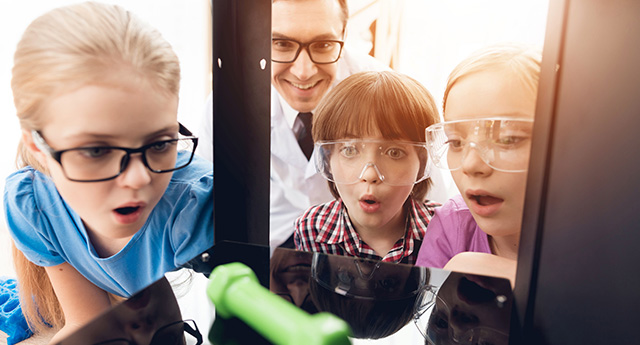
3D printer for just a few hundred
The development of new technologies is advancing by leaps and bounds. While until recently only truly well-funded industrial companies could afford to use 3D printers in the production of high-quality products, castings, and tools, in recent months we have increasingly witnessed reports of the active use of 3D printing technology in medicine. These clever devices have proven particularly effective in the production of functional implants and prostheses, but they also help in the education of medical students.
However, we all naturally want to enjoy the modern achievements of science and technology, and thanks to the production of a new generation of 3D printers, truly everyone can afford this luxury. The miniaturization of printers has brought not only a reduction in size, but also a severalfold decrease in price. After inkjet or laser printers, you can easily buy a 3D printer for your home as well. However, to avoid beating around the bush, it will be best if we take a look at what types of 3D printers come into consideration and what ideas a home 3D printer can bring to life.
Basic classification of 3D printers
3D printers are essentially divided according to the printing technology used, the size of the build area, and the material they "consume" during printing.
Printers naturally also differ in print accuracy and fineness. We will not burden you here with a detailed description of the individual technologies, but we will at least briefly mention the most important information.Currently, ready-made printers are available that only need to be connected to a computer and used, or 3D printer kit models. They are sold disassembled as a technical construction kit. However, you do not need to worry. Completing the assembly and starting the printer for the first time takes no more than an hour. Printers can use FDM (Fused Deposition Modeling) or SLA (Stereolithography) printing technology. In the first case, the device creates layer by layer in the horizontal plane by melting the material (ABS, PLA, PET, or PVA filament). In SLA technology, a laser beam is used to create the object by drawing individual layers onto a polymer resin. The SLA method is more precise, but it is also true that it is more expensive.
Home masters will get their money's worth
From what we have stated so far, it is clear that some printers will have the upper hand, and the range of products that you will be able to print according to a digital 3D model or on the basis of an already existing template will be somewhat more varied and of higher quality with the more expensive models.
However, don't expect miracles. You won’t print the above-mentioned implants or body organs with home 3D printers, but you certainly can print small parts, children’s toys, or even more complex models. Of course, the list of homemade products does not end there. There are no limits to imagination, and printers can easily print various modern pieces of jewelry, bowls, plates, vases, as well as practical stands or other useful household accessories.